Ear Curation
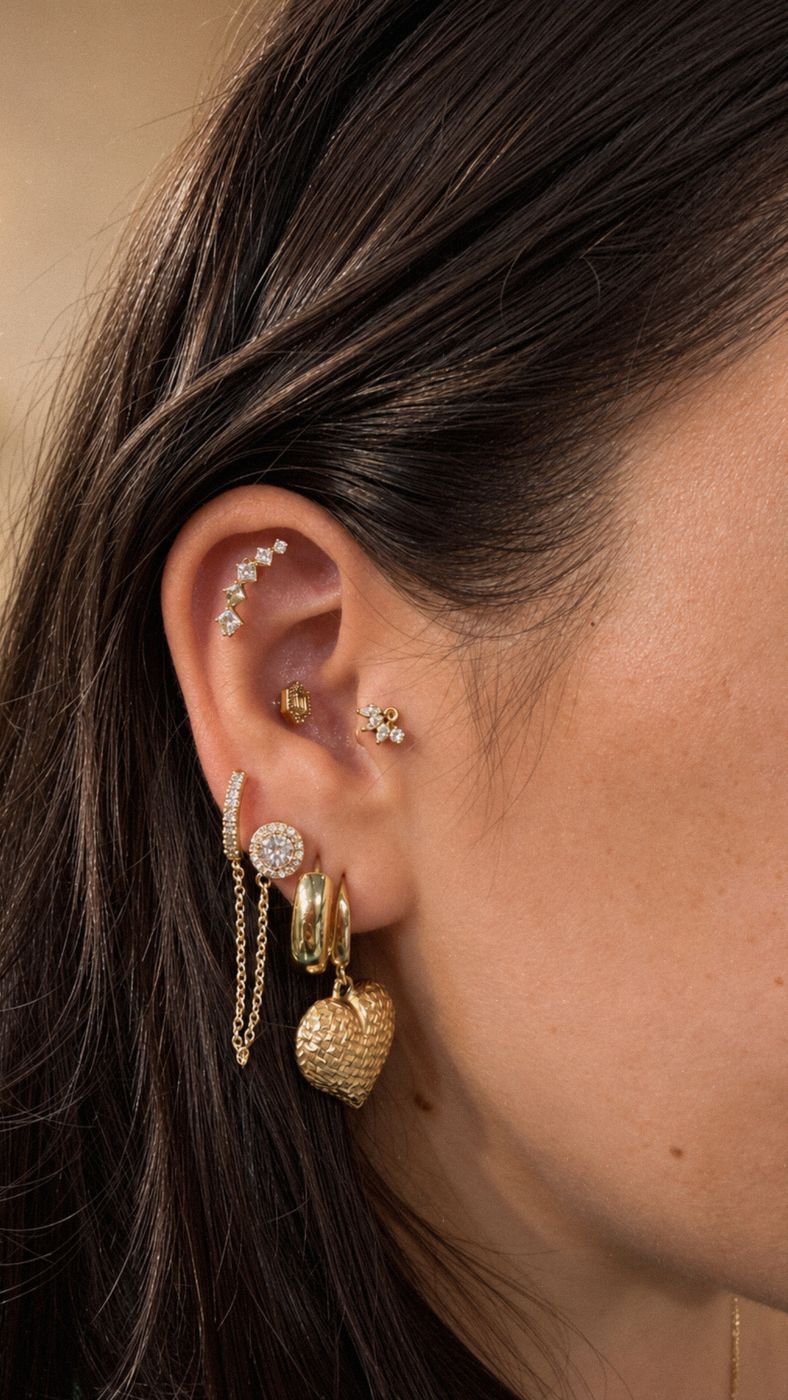
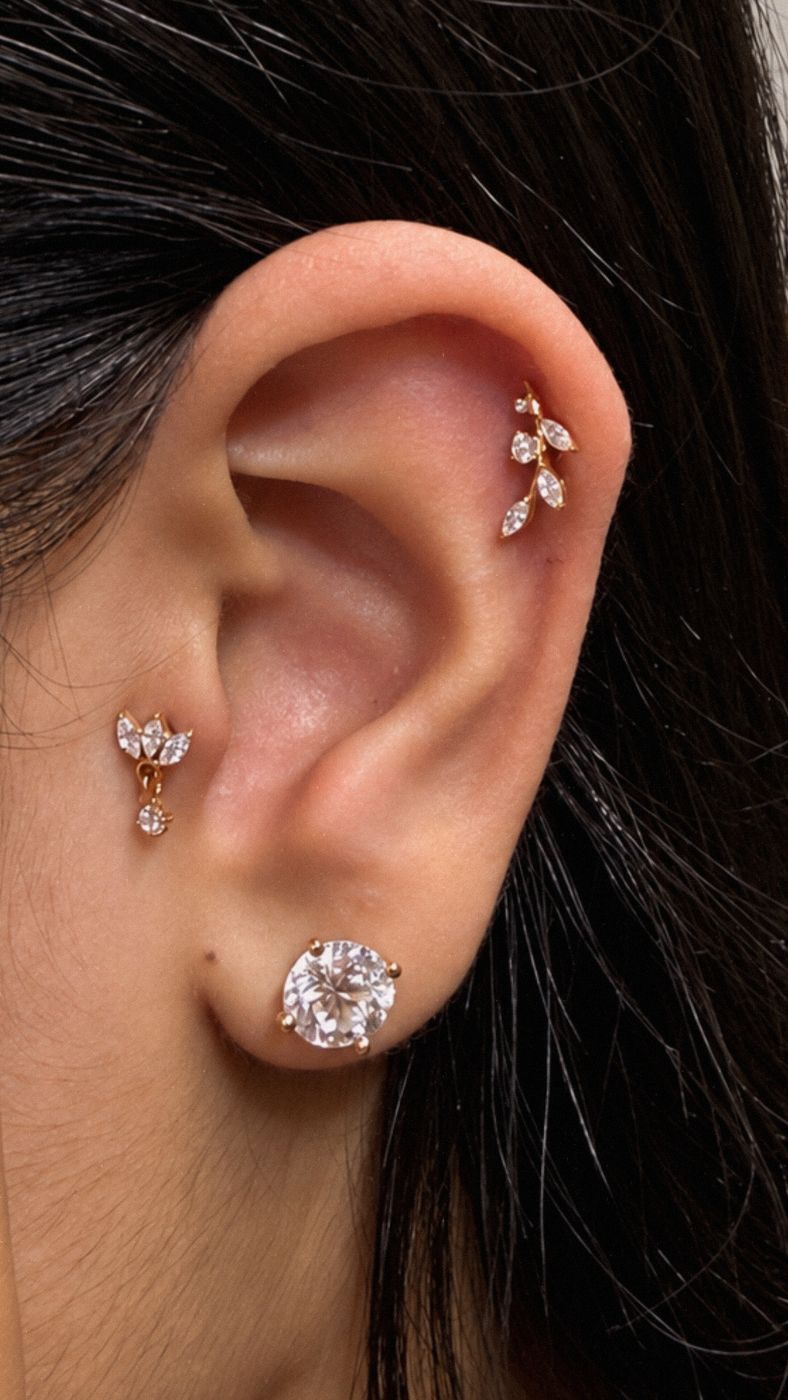
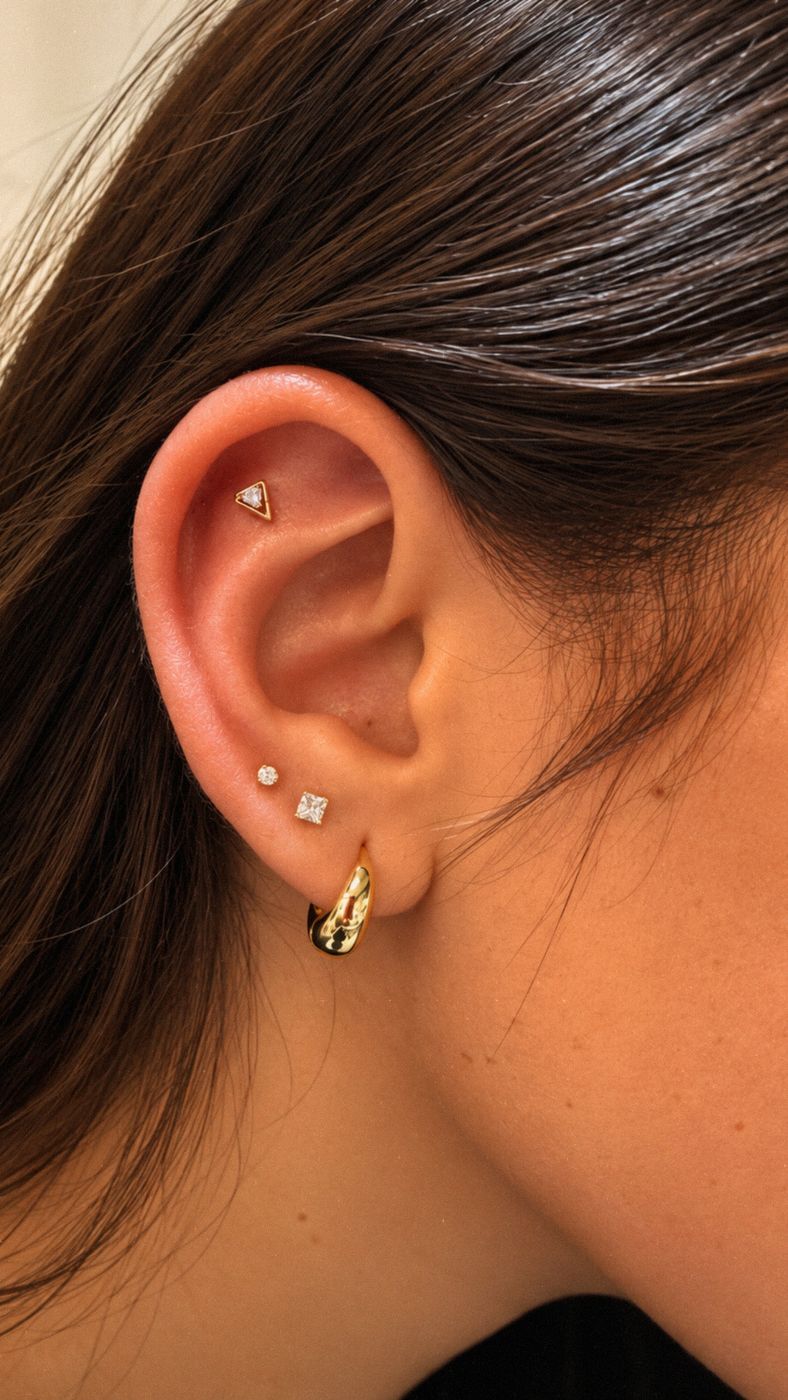
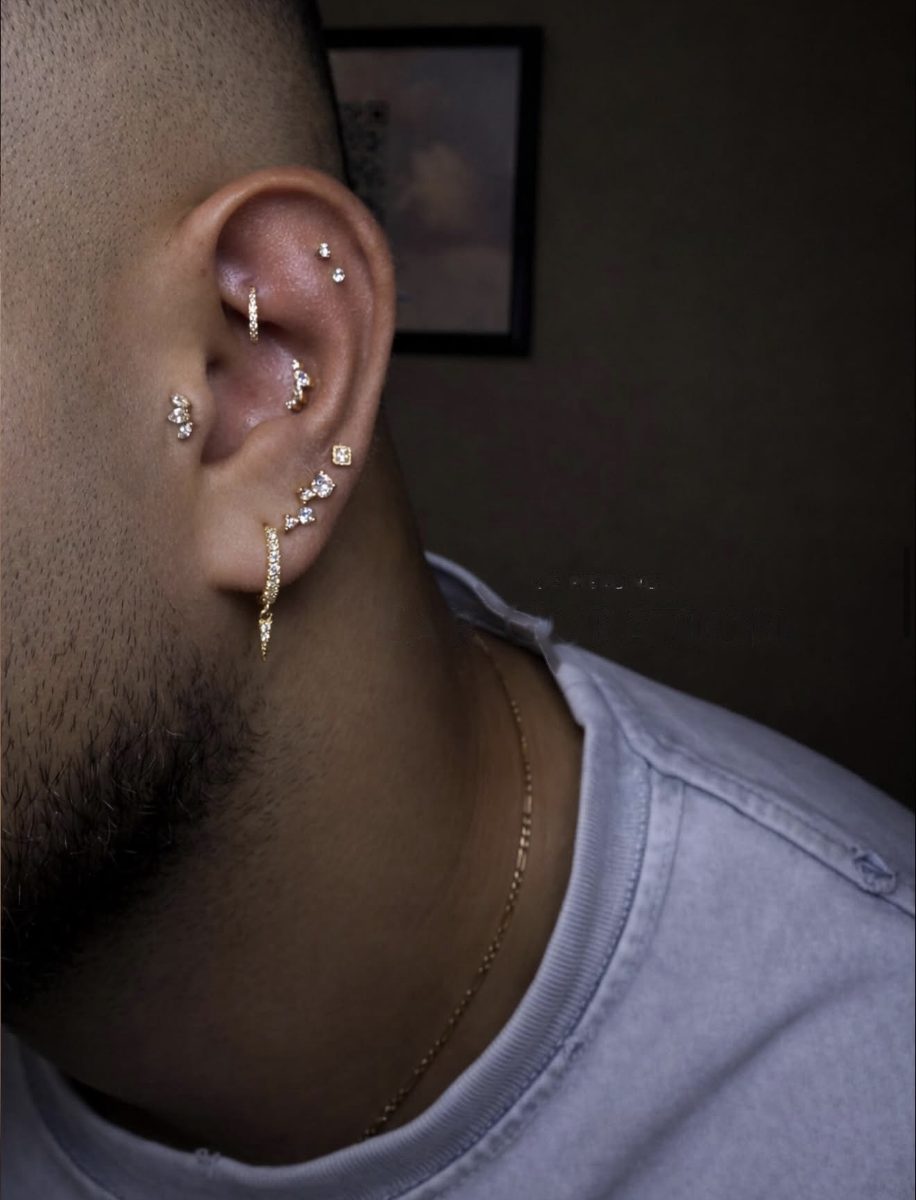
Every ear is a composition
Tap a point on the ear to see the piercing location. In a curation session, the jewelry combination is designed to suit the structure of the ear and your personal style – Free of charge with a jewelry purchase from the studio.
The rule of three
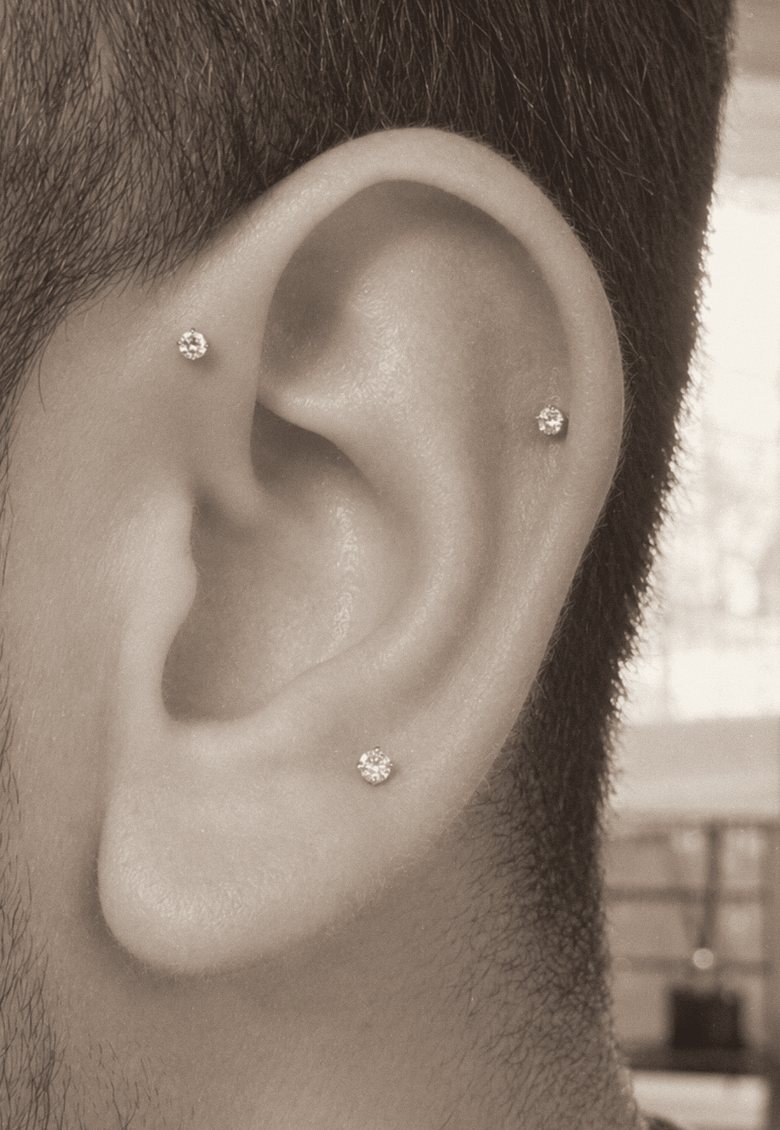
The rule of three for ear curation
Before your next piercing, it helps to know the three zones a well-balanced composition is built from.
The lower zone
LobeUsually the earlobe, but there are also interesting options for anyone who wants something less expected.
The middle zone
Mid Helix · Conch · Daith · SnugThis is the zone that gives the ear depth and real design.
The upper zone
Hidden Helix · Helix · Flat · RookAdds height and volume to the overall look.
Ear curation is not copying, it is tailoring. There are "in-between" zones, and everyone's anatomy is different: the rule of three is the foundation, and the precision lies in personal tailoring.
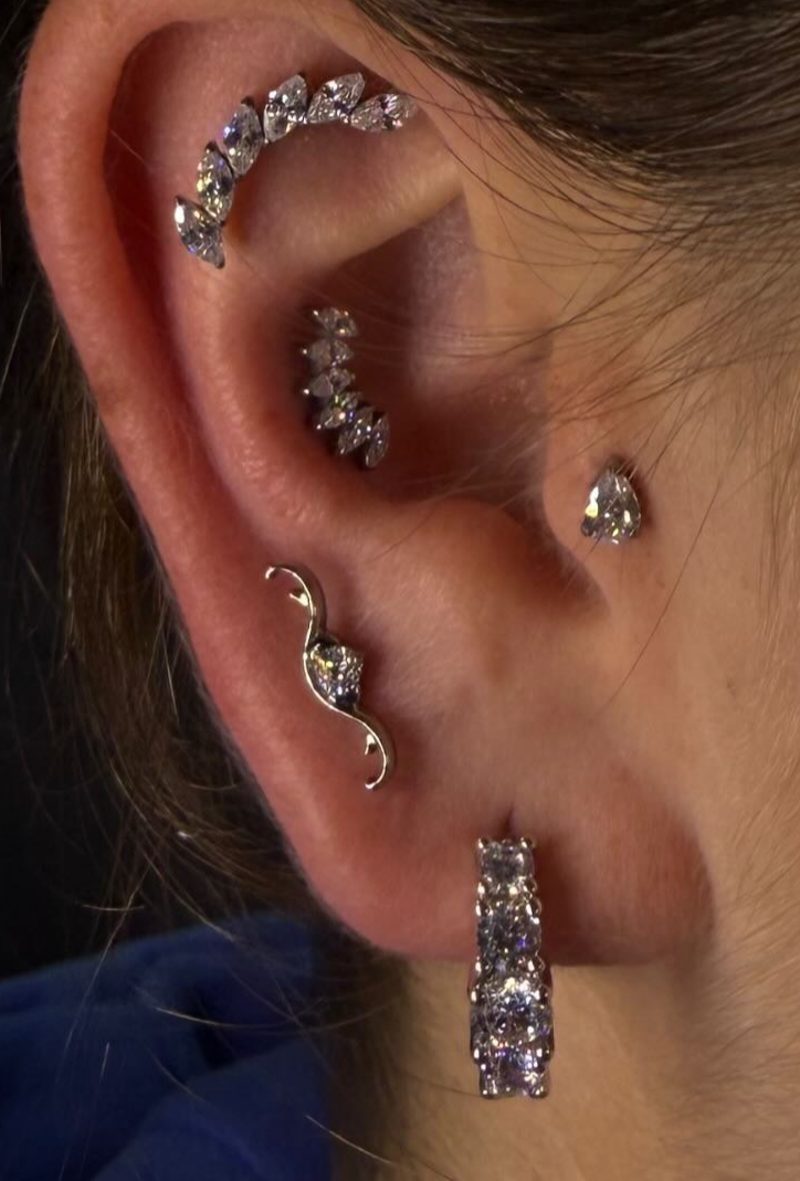
Ear project · Before & After
From planning to result
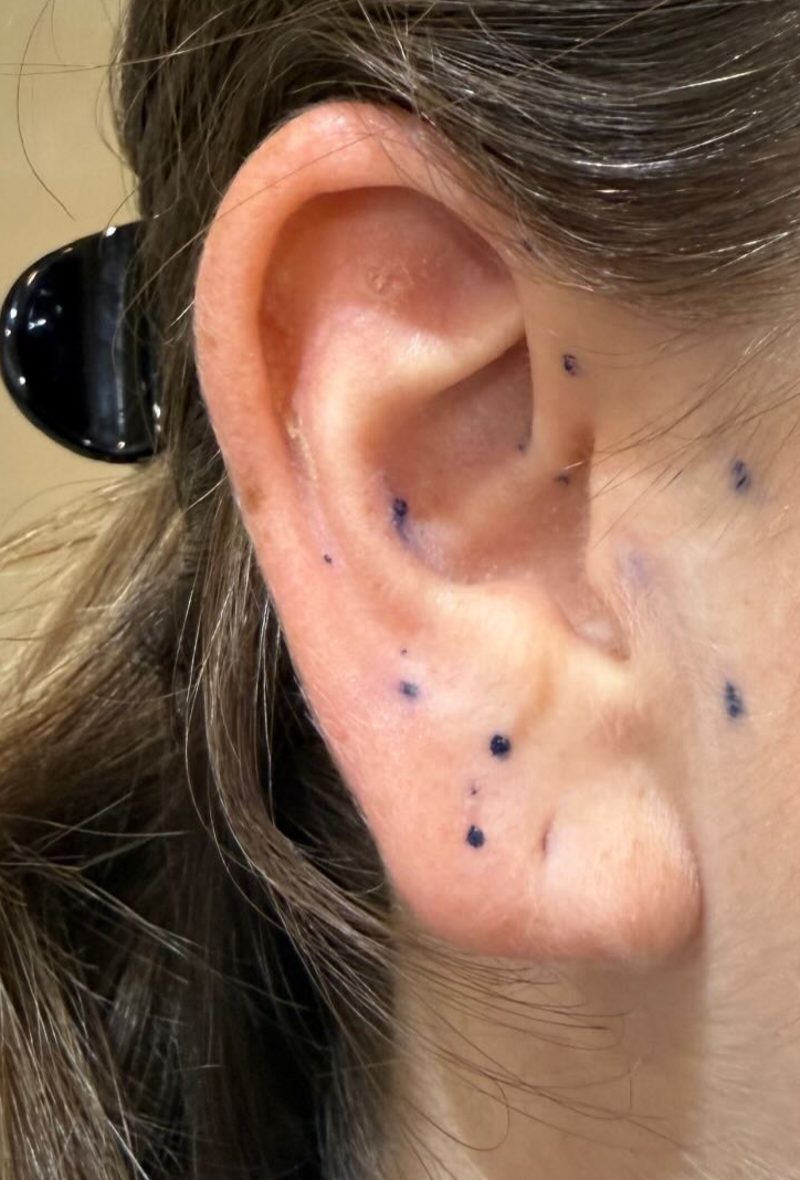
Every design starts with precise marking of the piercing locations on the ear, according to the anatomy and the chosen jewelry combination. The piercing is performed only after the marking is approved.
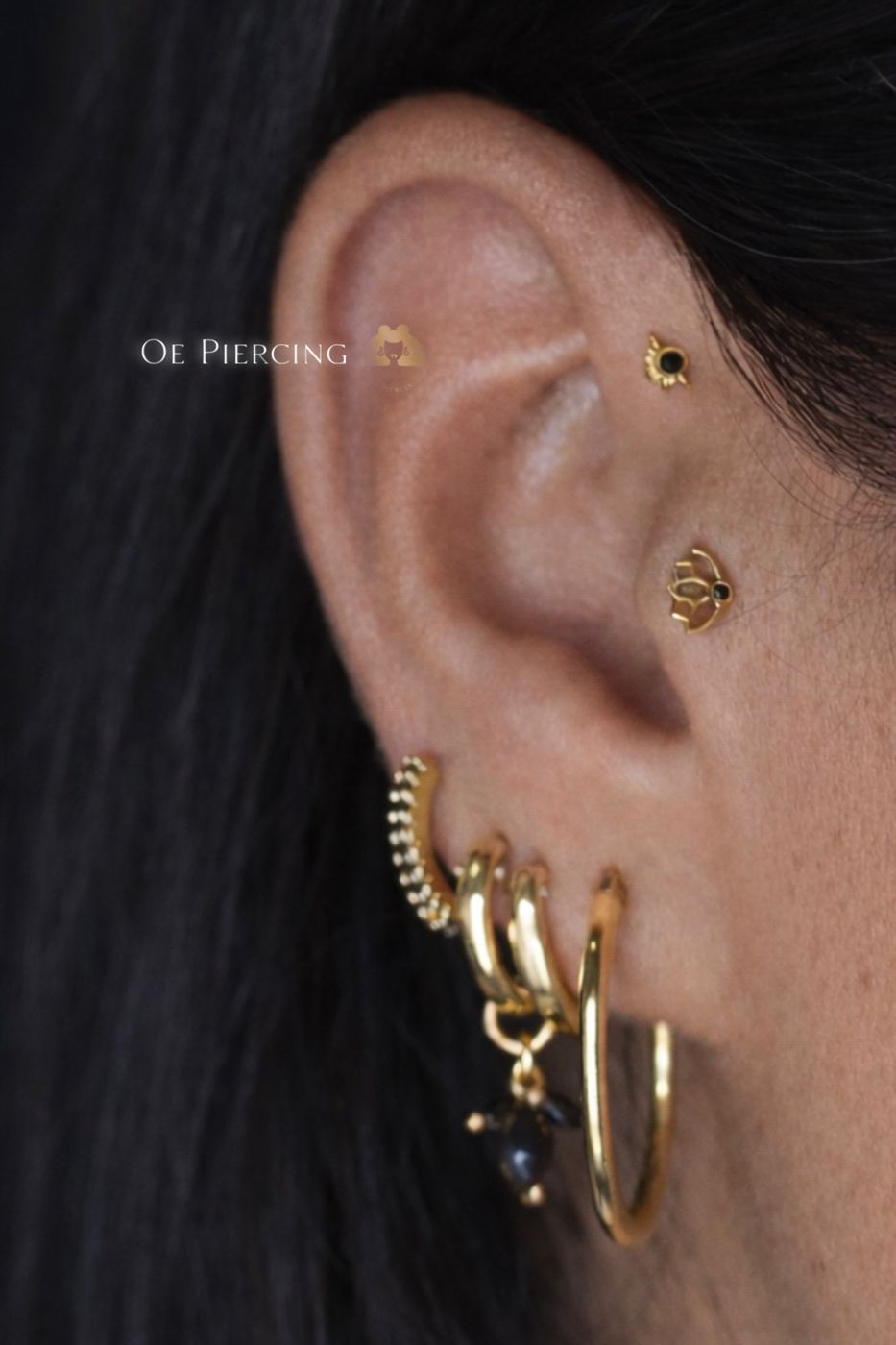
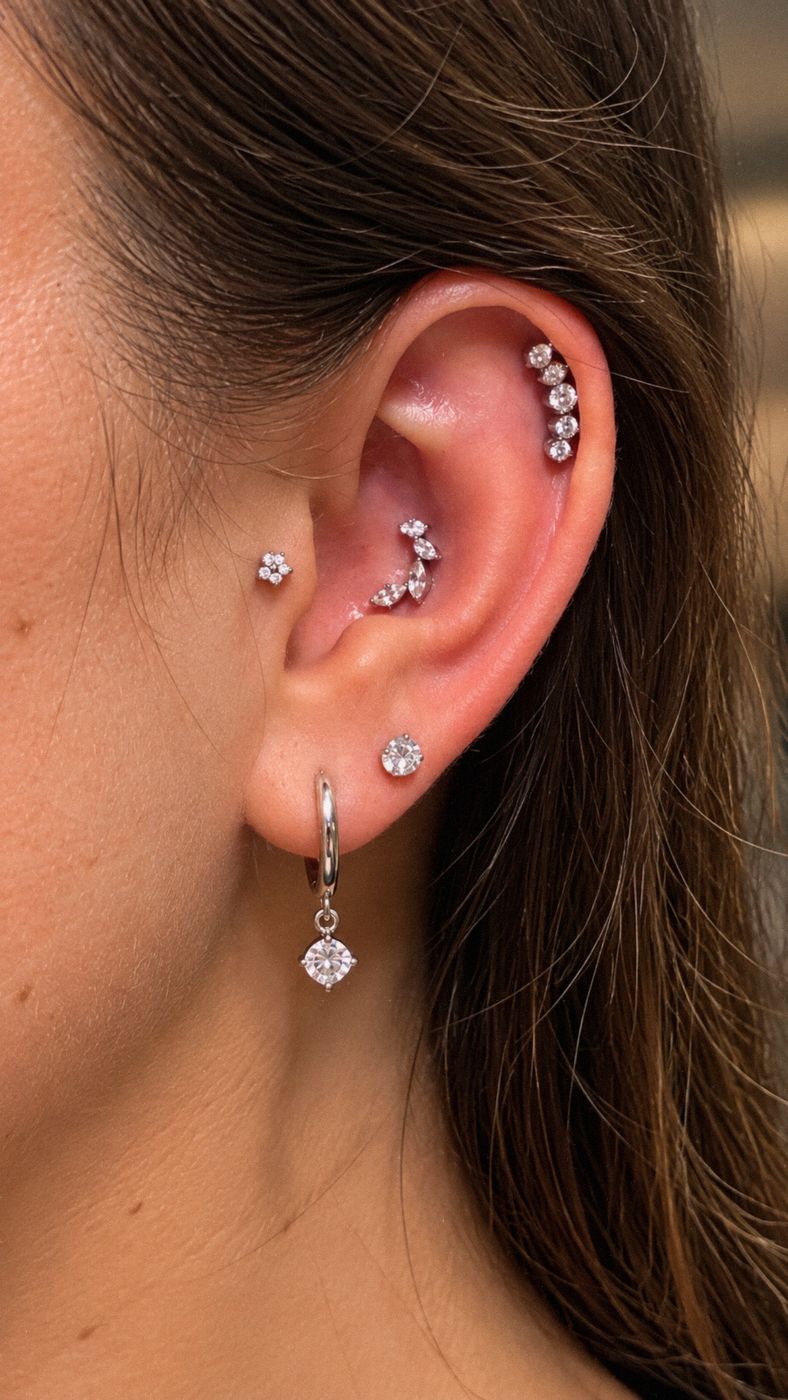
Aftercare · Hidden Helix
A piercing in the upper outer rim of the ear cartilage, done with a labret (stud).
Cleaning
Apply Saline Spray to both sides of the piercing every 3–4 hours. In the shower, rinse the area under warm running water, making sure water does not enter the ear canal. After showering, gently remove any discharge using dental floss or a thin toothpick. Continue cleaning for one month.
During healing
- Do not swim in the sea or a pool during the first month.
- Do not touch or move the jewelry, including with a hat or helmet.
- Do not use over-ear headphones. In-ear headphones may be used, provided they are disinfected regularly.
- Do not sleep on the pierced side until the downsize.
- Do not move the jewelry from side to side.
- Do not wash the area with soap.
- Do not change the jewelry before healing is complete.
- Do not apply ointments, creams, makeup or perfume to the piercing area.
Healing time
Initial healing takes one to two months. Full healing may take up to a year.
Jewelry change (downsize)
A new piercing is fitted with a longer-than-usual piece of jewelry to leave room for swelling. The change to a shorter piece is made about one and a half to three months after the piercing, after initial healing and once the swelling has gone down. Timing varies according to the pace of healing and skin type. Switching to a hoop is possible from about three months after the piercing. Do not switch to a hoop too early; the change will be made according to healing.
Cartilage note
Bumps are more common in cartilage, mainly due to pressure on the piercing or movement of it. Make sure nothing touches the piercing.
What to expect
Redness, swelling, discharge and tenderness are expected in the first days. These are a normal part of healing.
Rejection
The body may reject the jewelry. If rejection is suspected, come to the clinic as soon as possible to prevent scarring.
When to contact the clinic
Contact the clinic in any case of unusual swelling, pus, a bump, sharp pain or any other unusual sign. If an infection is suspected, come in for a check-up. Antibiotic ointment should only be used with a doctor's prescription. A check-up one to two months after the piercing is recommended, to make sure it is healing properly. Whenever in doubt, you can send a photo of the piercing on WhatsApp. First aid at the clinic is free of charge. In an urgent case (SOS) and with any question, contact us on WhatsApp.